

Achieving Balance: Daily Insights for a Healthy Life
8월 24, 2024 | by leader.bettermind@gmail.com
 Photo by Boxed Water Is Better on Unsplash
 The Importance of Wellness: Mind, Body, and Spirit
The concept of wellness extends beyond mere absence of illness. It encompasses a holistic approach to health, integrating the mind, body, and spirit. This interconnectedness underscores the impact that mental, physical, and spiritual wellbeing have on one another. Balancing these three aspects is fundamental to achieving overall health, as neglecting any one component can adversely affect the others.
Physical wellness, for instance, serves as the foundation for mental and spiritual health. Engaging in regular exercise, consuming a nutrient-dense diet, and maintaining proper hydration levels are all critical to keeping the body functioning optimally. Such habits enhance not only physical stamina and strength but also contribute to mental clarity and emotional stability. Adequate sleep is equally vital, allowing the body to repair itself and the mind to process experiences, thereby promoting cognitive and emotional resilience.
Mental wellness, on the other hand, involves nurturing a positive mindset and emotional equilibrium. By incorporating daily mindfulness practices, such as meditation or journaling, individuals can mitigate the effects of stress and cultivate a sense of peace. These practices help regulate emotions and improve concentration, making it easier to handle the demands of daily life. Furthermore, engaging in activities that stimulate the mind, such as reading or puzzles, can enhance cognitive functions and mental health.
Spiritual wellness, though often overlooked, is essential for a balanced life. It doesn’t necessarily pertain to religion but rather to a sense of purpose and connection with the world. Activities like spending time in nature, practicing gratitude, or participating in community service can foster a deeper sense of fulfillment and inner peace. Spiritual wellness provides a grounding effect that helps navigate life’s challenges with grace and composure.
Incorporating these daily wellness practices can markedly improve one’s quality of life. Prioritizing self-care and employing stress management techniques, such as breathing exercises or yoga, can aid in maintaining this balance. By addressing the needs of the mind, body, and spirit, individuals can create a harmonious lifestyle that supports long-term health and happiness.
Incorporating Meditation, Yoga, and Fitness into Daily Life
Incorporating meditation, yoga, and fitness into one’s daily schedule is essential for achieving a balanced and healthy life. Meditation offers numerous mental health benefits, including reduced stress, enhanced focus, and improved emotional well-being. For beginners, starting a meditation practice can be daunting, but simple tips can ease the journey. Begin with short sessions of five to ten minutes in a quiet space, focusing on breathing or a mantra. Gradually, increase the duration as you become more comfortable. Consistency is key, so aim to meditate at the same time every day to establish a routine.
Moving on to yoga, this ancient practice provides a myriad of benefits for both the body and mind. Various styles of yoga cater to different needs and preferences. For instance, Hatha yoga is excellent for beginners due to its slower pace and focus on basic postures. Vinyasa, on the other hand, offers a more dynamic flow between poses, ideal for those seeking a vigorous workout. Regular yoga practice improves flexibility, muscular strength, and posture while fostering mental clarity and relaxation. To integrate yoga into daily life, select a style that aligns with your goals and dedicate a specific time for practice, whether in the morning or evening.
Lastly, regular physical activity is pivotal for maintaining overall health. Incorporating a mix of cardio, strength training, and flexibility exercises ensures a well-rounded fitness routine. Cardio activities, such as running, cycling, or swimming, enhance cardiovascular health and boost energy levels. Strength training, through weightlifting or resistance exercises, builds and preserves muscle mass, which is crucial for overall strength and metabolic health. Flexibility exercises, including stretching and functional movements, improve range of motion and reduce the risk of injuries. Planning your fitness regimen requires balance; allocate time for each type of exercise based on personal preferences and health goals, and ensure at least 150 minutes of moderate-intensity activity weekly.
By integrating meditation, yoga, and fitness into daily life, individuals can significantly enhance their physical and mental well-being, paving the way for a healthier, more balanced lifestyle.
RELATED POSTS
View all

 Photo by Boxed Water Is Better on Unsplash
 Embracing a Healthy Life: Daily Tips for Wellness, Meditation, Yoga, and Fitness
8월 24, 2024 | by leader.bettermind@gmail.com
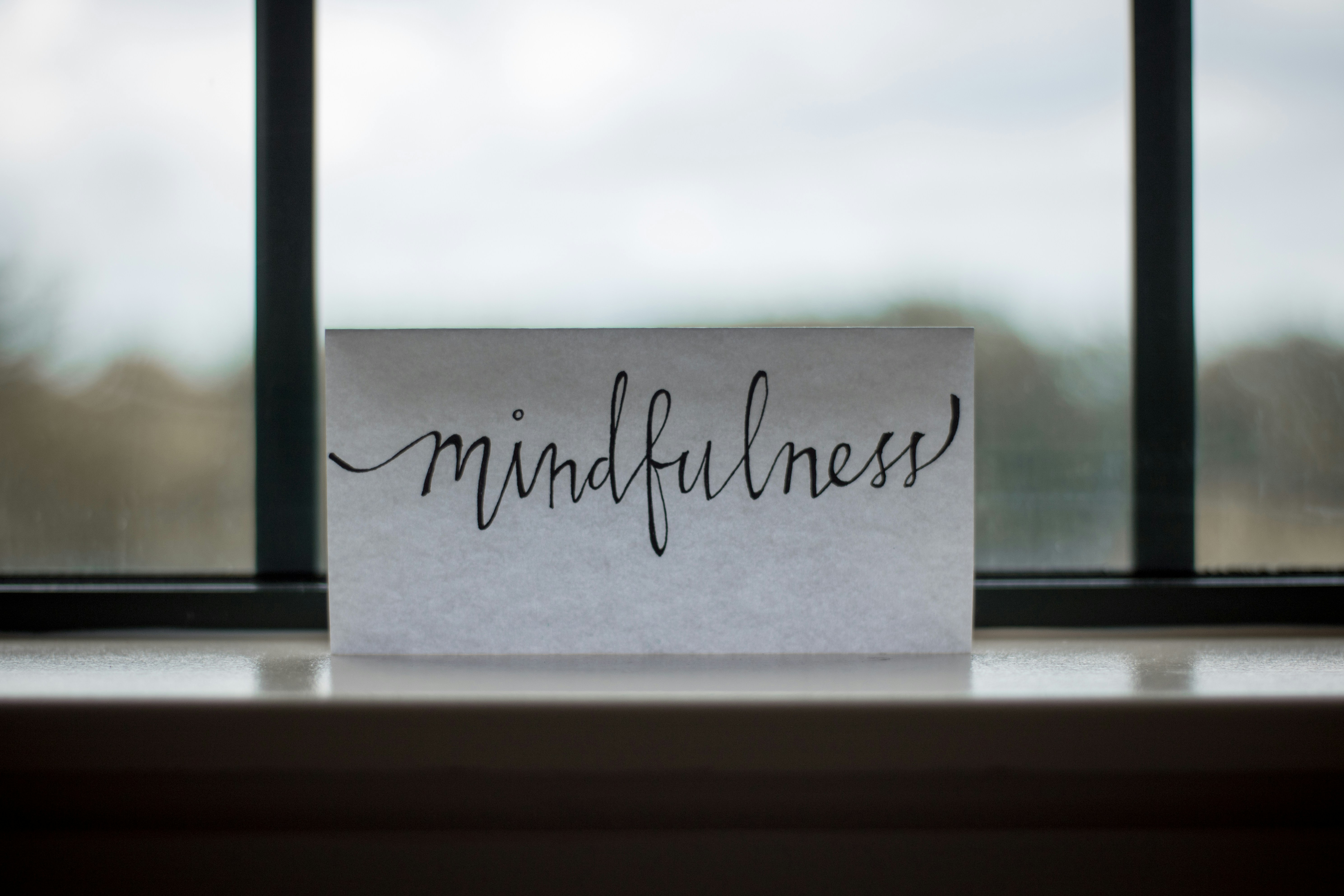 Photo by Lesly Juarez on Unsplash
 Transform Your Life: Daily Tips for Mental and Physical Well-being
8월 24, 2024 | by leader.bettermind@gmail.com