

Embracing a Healthy Life: Daily Tips for Wellness, Meditation, Yoga, and Fitness
8월 24, 2024 | by leader.bettermind@gmail.com
 Photo by Boxed Water Is Better on Unsplash
 Achieving Wellness through Daily Practices
Incorporating small yet significant wellness practices into your daily routine can lead to substantial improvements in overall health and well-being. One of the cornerstone elements of wellness is proper nutrition. A balanced diet rich in fruits, vegetables, whole grains, lean proteins, and healthy fats provides essential nutrients that support the body’s functions and promote energy and vitality. Adopting healthy eating habits, such as mindful eating, portion control, and reducing processed food intake, can pave the way for sustained physical health.
Hydration is another fundamental aspect of wellness. Water plays a crucial role in maintaining bodily functions, aiding digestion, regulating body temperature, and removing toxins. It is recommended to drink at least eight glasses of water a day. Staying hydrated not only boosts physical health but also enhances mental clarity and concentration.
Quality sleep is integral to overall health, as it enables the body to repair and rejuvenate itself. Adults should aim for 7-9 hours of uninterrupted sleep per night. Improving sleep hygiene can significantly contribute to better sleep. Create a comfortable sleep environment, establish a consistent sleep schedule, limit screen time before bed, and incorporate relaxation techniques, such as reading or taking a warm bath, to wind down.
Mental well-being is an essential component of wellness. Techniques for stress reduction, such as deep breathing exercises, meditation, and mindfulness, can alleviate stress and promote a sense of calm and balance. Incorporating regular physical activity, even in short bursts, also contributes to improved mental health by releasing endorphins and reducing stress levels.
By integrating these wellness practices into your everyday life, you can achieve a harmonious balance between mind and body. Simple, actionable steps, like making nutritious food choices, staying adequately hydrated, prioritizing quality sleep, and practicing mindfulness, can collectively foster a holistic approach to health and well-being.
Harnessing the Power of Meditation, Yoga, and Fitness for Mental and Physical Health
The synergistic benefits of meditation, yoga, and fitness form a cornerstone for cultivating holistic wellness, supporting both mental and physical health. Meditation, an ancient practice known for its stress-reducing capabilities, plays a vital role in enhancing overall emotional health. By practicing mindfulness and focused concentration, individuals can improve their mental clarity, attention span, and inner peace. Fundamental forms of meditation such as mindful breathing, guided visualization, and mantra meditation cater to beginners and seasoned practitioners alike, allowing a flexible approach tailored to varying levels of experience.
Yoga, an age-old discipline that combines physical postures, breath control, and meditation, significantly boosts physical strength, flexibility, and mental tranquility. Various styles of yoga, such as Hatha, Vinyasa, Ashtanga, and Yin Yoga, offer distinct benefits suitable for different preferences and goals. Hatha Yoga, for instance, focuses on gentle stretching and breathwork, ideal for beginners. Conversely, Vinyasa and Ashtanga yoga present more dynamic sequences that build endurance and enhance cardiovascular health. Incorporating yoga into daily life can be as simple as a morning routine or evening wind-down, fostering a harmonious balance within the body and mind.
Complementing meditation and yoga, regular physical fitness activities are crucial to maintaining a robust and healthy body. Engaging in cardiovascular exercises like jogging, cycling, or swimming can improve heart health and increase stamina. Strength training, including resistance and weight-bearing exercises, helps in building muscle mass and fortifying bone density. Flexibility workouts, such as stretching or Pilates, enhance joint mobility and prevent injuries.
Motivation remains pivotal in maintaining a consistent fitness regimen. Setting realistic goals, tracking progress, and celebrating milestones can foster motivation and commitment. Moreover, choosing activities that align with personal interests and lifestyle preferences ensures sustainability. Fitness should not be a monotonous chore but an enjoyable part of daily life that promotes a healthier, more vibrant self.
RELATED POSTS
View all
 Photo by Boxed Water Is Better on Unsplash
 Achieving a Balanced and Healthy Life: Your Daily Guide
8월 24, 2024 | by leader.bettermind@gmail.com
Photo by Boxed Water Is Better on Unsplash Achieving Balance: Daily Insights for a Healthy Life
8월 24, 2024 | by leader.bettermind@gmail.com
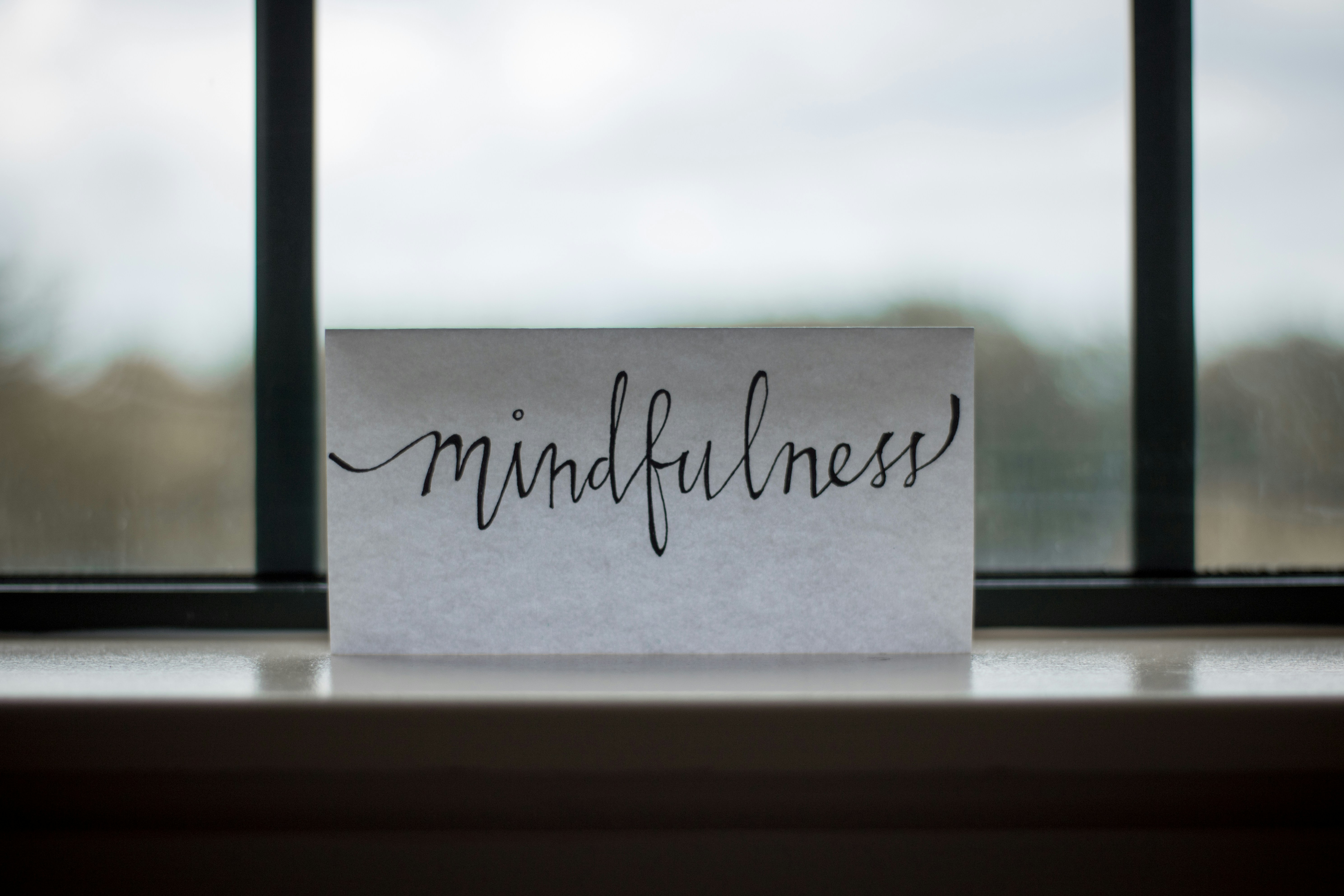 Photo by Lesly Juarez on Unsplash
 Transform Your Life: Daily Tips for Mental and Physical Well-being
8월 24, 2024 | by leader.bettermind@gmail.com